
Now that wildfire season has started and Governor Kotek has declared a state of emergency for wildfires, it’s time for Oregon businesses to prepare. Even if your business or home isn’t close to the flames, hazardous smoke travels well beyond the fire lines, putting people and businesses at risk.
SAIF, Oregon’s not-for-profit workers’ compensation insurance company, offers seven things you can do now to prepare for potential wildfires and smoke in the months ahead:
- Make sure you have filtering facepiece respirators, such as N-95 or N-100, on hand for every employee. Oregon OSHA’s wildfire smoke rule requires most employers to provide NIOSH-approved respirators, depending on the air quality index (AQI).
- Include wildfire smoke events in your emergency response plans.
- Train all employees on wildfire smoke exposure, as required by Oregon OSHA.
- Know your best resources to monitor fire and smoke risk in your area. One resource is Oregon DEQ’s Air Quality Index.
- Plan how to get employees to safer locations, or when to release them before situations worsen.
- For workers that primarily work outside, know your options for reassigning or relocating work activities away from wildfire smoke.
- If you have field employees, make sure you have a process in place to know their location and communicate in event of an emergency.
Remember, people who work outdoors, have respiratory conditions or cardiovascular disease, smoke, or are pregnant have a higher risk of health impacts.
Find more tips for preparing your business—before, during, and after wildfire season—at saif.com/prepare.
Preparing for wildfire and smoke season requires stocking up on safety supplies and creating an evacuation plan before an emergency strikes.
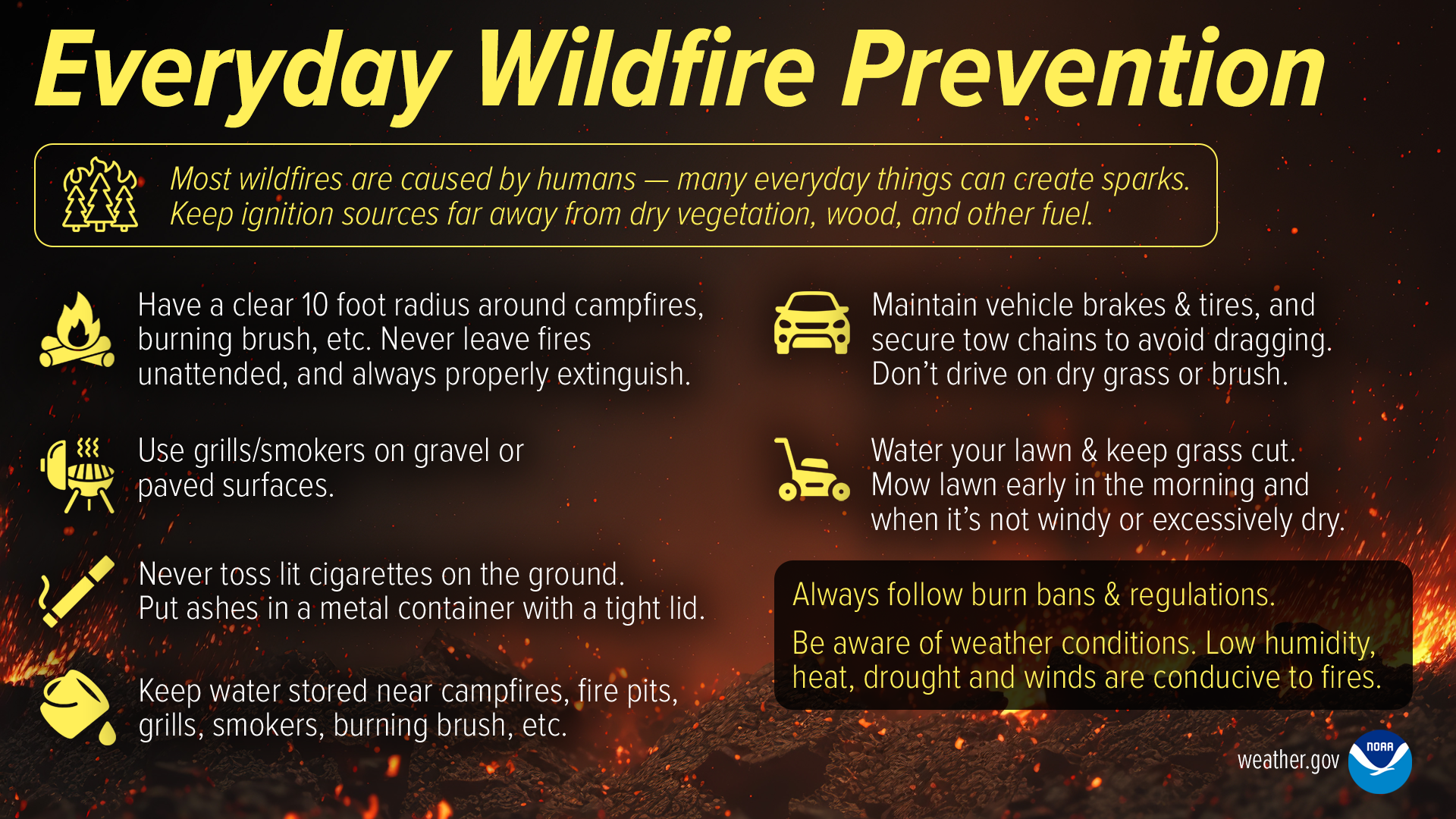
Key local steps include downloading emergency apps for real-time alerts, preparing a “Go-Kit,” and setting up a “Clean Air Room” with a HEPA air purifier.
Evacuation Preparedness & Go-Kits – When seconds count, a pre-packed Go-Kit—using the “5 P’s” of preparedness—ensures you can leave immediately.
- People and Pets: Pack food, water, a leash, and vaccination/medical records for pets.
- Prescriptions: Include a multi-day supply of daily medications, spare glasses, and necessary medical devices.
- Papers: Keep hard copies of IDs, passports, insurance policies, and financial records in a waterproof bag.
- Personal Needs: Pack hygiene items, a first aid kit, flashlights, and durable work gloves.
- Priceless Items: Add irreplaceable memorabilia, photos, or hard drives.
Indoor Air Quality & Clean Air Rooms — During smoky days, keeping indoor air safe is critical.
- Create a Clean Air Room: Choose a room with the fewest windows and doors (like a bedroom) to seal off from the outside.
- Air Purifiers: Buy a portable HEPA air cleaner sized for your space before the smoke hits.
- HVAC Maintenance: Ensure your central air system is equipped with a high-efficiency filter (MERV-13 or higher). If your system has a “fresh air intake” or “economizer,” turn it to the closed or recirculate position to keep smoke out.
- Reduce Indoor Pollution: When smoke is high, do not use gas stoves, burn candles, or vacuum (as it stirs up particles).
Outdoor Protection — if you must step outside during poor air quality events:
- Wear a NIOSH-approved respirator (such as an N95, R95, or P100) that fits snugly against your face. Standard paper or surgical masks do not adequately filter fine smoke particles.
- If ash is present, sweep it lightly rather than using a leaf blower. Be careful not to track ash inside your home.
Tracking Conditions & Staying InformedAlways track local fires and air quality reports to make informed decisions.
- Air Quality Index: Check AirNow.gov to view current fire and smoke conditions in your region.
- Local Alerts: Download the American Red Cross Emergency App to get real-time evacuation shelter locations and safety notifications.
- Local Guidelines: For region-specific preparedness advice and tips from the Oregon Health Authority, visit the Oregon Health Authority Wildfires and Smoke Page.